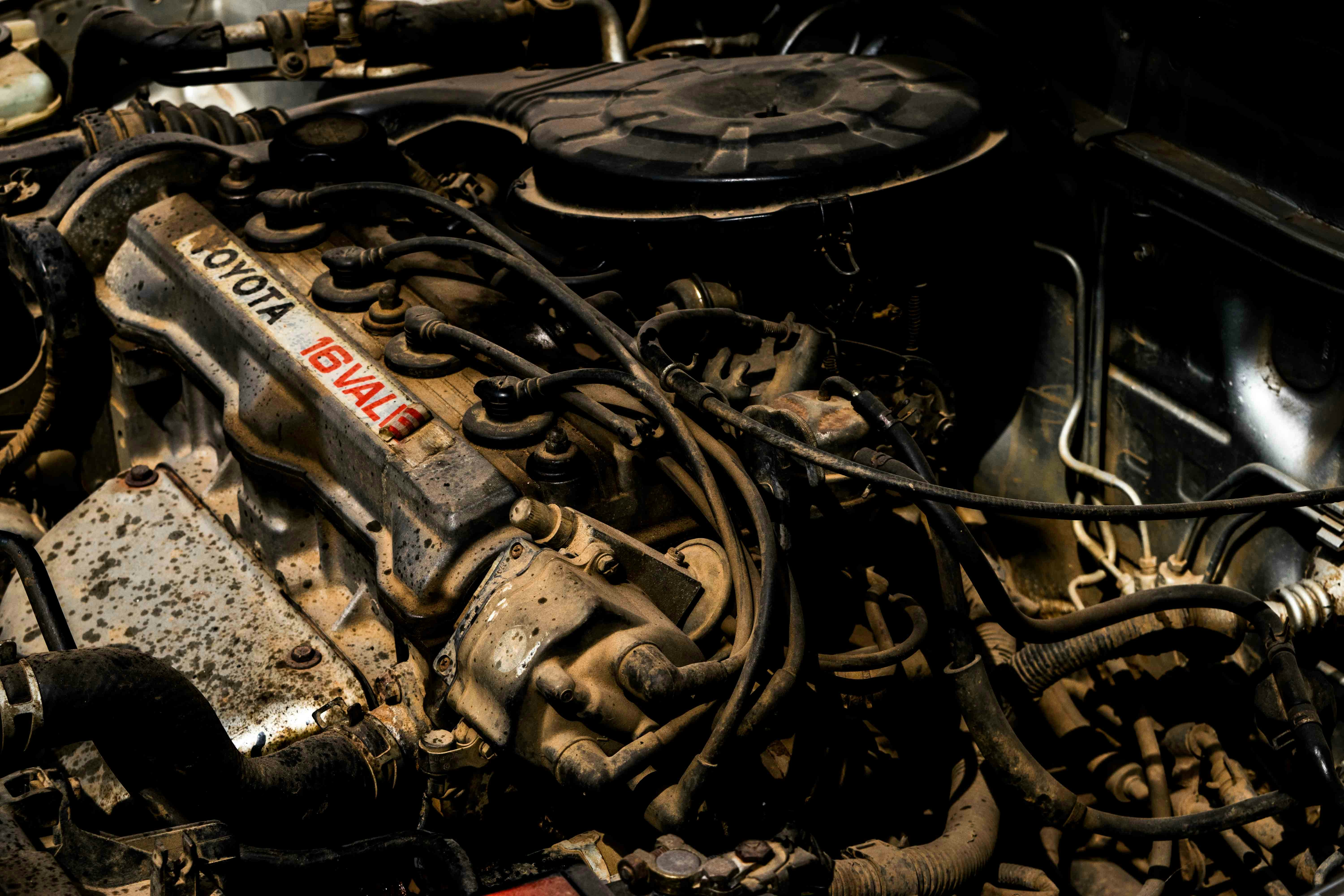
What is the P0016 DTC Fault Code?
The P0016 Diagnostic Trouble Code (DTC) is a specific fault code that indicates an issue with the synchronization between the camshaft position sensor and the crankshaft position sensor in Toyota vehicles. Proper synchronization of these two critical components is essential for optimal engine performance, as they play a vital role in managing the timing of the engine’s valves in relation to the pistons. When these sensors do not align correctly, it can lead to severe engine issues.
This code is typically triggered when the Engine Control Module (ECM) detects that the relationship between the camshaft and crankshaft positions is out of the expected range. It usually occurs due to mechanical failure or other issues affecting either sensor or their respective timing mechanisms. Common causes of the P0016 code include a damaged or worn timing chain or belt, faulty camshaft or crankshaft position sensors, or a malfunctioning ECM.
When the P0016 fault code is stored in the ECM, the vehicle may exhibit various symptoms. These may include engine misfires, poor acceleration, or a rough idle. In some cases, the vehicle may enter limp mode to prevent further damage to the engine. Consequently, it is critical for vehicle owners to promptly address this code to maintain engine performance and avoid potential long-term damage.
In summary, the P0016 DTC fault code signals a synchronization issue between the camshaft and crankshaft position sensors, which can adversely affect engine operation. Understanding the implications of this fault is crucial for timely and effective repairs, thereby ensuring the longevity and reliability of the vehicle.
Common Symptoms of a P0016 Code
The P0016 fault code, prevalent in Toyota vehicles, is often accompanied by a variety of noticeable symptoms that indicate underlying engine timing issues. One of the primary signs is engine performance problems that may manifest as a noticeable decrease in power. Drivers might experience stuttering during acceleration or find that the vehicle struggles to maintain speed, especially during uphill driving. This performance degradation can be concerning, highlighting the need for immediate attention.
Another common symptom of the P0016 code is rough idling. When the fault code is present, the engine may exhibit an uneven or shaky idle, making the vehicle feel less stable while stationary. This symptom often results from improper synchronization between the crankshaft and camshaft, leading to inefficient combustion processes.
Additionally, difficulties in starting the vehicle can indicate a P0016 code issue. Motorists may find that their cars require several attempts to start, which is particularly prominent in colder weather conditions. This can be attributed to fuel-air mixture problems caused by incorrect timing due to the fault code. If such symptoms are noted, it is advisable to have a professional diagnostic check performed to confirm the presence of a P0016 code.
Moreover, some drivers report an increase in emissions or the activation of the check engine light when the P0016 code is triggered. This light serves as a warning from the vehicle’s onboard computer, indicating that a fault has been detected within the engine management system. Addressing these symptoms promptly is crucial to avoid further complications and ensure optimal engine performance.
Main Causes of the P0016 Fault Code
The P0016 diagnostic trouble code (DTC) is commonly encountered in Toyota vehicles, indicating an issue with the correlation between the crankshaft and camshaft position. Understanding the main causes of the P0016 code is essential for timely diagnosis and repair, thus preventing further damage to the engine.
One of the primary reasons for the appearance of the P0016 code is timing chain or belt issues. These components are vital for synchronizing the rotation of the crankshaft and camshaft. If the timing chain or belt becomes worn, stretched, or misaligned, it can lead to incorrect timing. This misalignment can cause the P0016 code to trigger, as the engine control unit (ECU) detects that the timing between these two critical components is not in harmony.
Another common issue that may result in the P0016 code is faulty camshaft or crankshaft position sensors. These sensors play a crucial role in providing real-time data about the position of the crankshaft and camshaft to the ECU. If these sensors fail or exhibit intermittent issues, it can create inconsistencies in timing adjustments, causing the ECU to register the P0016 code. Replacing malfunctioning sensors often resolves the DTC.
Other potential causes include oil flow issues, particularly if the engine oil is dirty or at an inadequate level. The Variable Valve Timing (VVT) system relies on proper oil flow to function correctly, and insufficient lubrication may contribute to VVT actuator performance issues. Mechanical failures such as damaged timing gears or a failing VVT controller can also trigger the P0016 code, requiring careful inspection and diagnosis.
In summary, the P0016 fault code in Toyota vehicles may arise from various causes, primarily involving timing chain or belt problems, as well as faulty sensors. Additionally, engine oil-related issues and mechanical failures are other frequent factors contributing to this code. Prompt attention to these problems can help mitigate potential engine damage and ensure smooth vehicle operation.
How the P0016 Code Affects Engine Performance
The P0016 diagnostic trouble code (DTC) is indicative of a misalignment of the camshaft and crankshaft timing in Toyota vehicles. This misalignment can significantly impact engine performance by disrupting the engine’s ability to maintain optimal timing for all its internal components. As a result, the overall efficiency of the engine may be compromised, leading to various operational issues.
One of the primary effects of the P0016 code on engine performance is a noticeable decrease in power output. When the timing of the camshaft and crankshaft are misaligned, the engine struggles to produce the necessary power during acceleration. This can lead to sluggish performance, especially when attempting to speed up from a stop or during overtaking maneuvers. Drivers might experience a lack of responsiveness, which can be notably frustrating.
Another critical aspect affected by the P0016 code is fuel efficiency. A misfire or poor timing can cause the engine to consume more fuel than it normally would. When the ignition timing is incorrect, the engine may be forced to work harder to achieve the same results this inefficiency directly correlates to higher fuel consumption. Consequently, owners of Toyota vehicles encountering this fault code might find themselves making more frequent trips to the fuel station, thereby increasing the overall operating costs of the vehicle.
Reliability can also be adversely affected by the presence of a P0016 DTC. Continuous operation of an engine with this fault could cause long-term damage to the engine components. Persistent misalignment can lead to excessive wear and tear, especially on the timing chain or belt, further exacerbating the performance issues already being experienced. Therefore, addressing the P0016 code promptly is essential not only for maintaining engine performance and fuel efficiency but also for ensuring the long-term reliability of the vehicle.
Diagnostic Steps to Identify the P0016 Code
Start with a structured scan and verification process. Our automotive diagnostics guide explains the wider approach, while this article focuses on Toyota cam/crank correlation.
Before replacing a sensor or timing component, a proper diagnostic scan should be combined with physical inspection and live data. See our automotive diagnostics guide for the broader diagnostic process.
When a P0016 fault code is generated in Toyota vehicles, it indicates a correlation issue between the camshaft and crankshaft positions. This could potentially lead to performance issues if not addressed properly. Mechanics typically follow a systematic approach to diagnose the problem effectively.
The first step in diagnosing the P0016 code is to utilize a diagnostic scanner to retrieve the fault code from the vehicle’s engine control unit (ECU). This tool will display the P0016 code along with any accompanying codes that may provide additional insight into the problem. It is essential to note any secondary fault codes, as they can help clarify the root cause of the issue.
After retrieving the fault codes, mechanics will often conduct a visual inspection of the engine components. They will check the timing chain or belt for any signs of wear or damage, as these could impact the synchronization between the camshaft and crankshaft. This visual inspection may also include examining connectors, wiring harnesses, and the engine oil level, since low oil levels can affect the variable valve timing (VVT) system.
If the visual inspection does not reveal any apparent issues, mechanics will proceed to conduct a more in-depth evaluation using specialized tools. This may involve performing a camshaft and crankshaft sensor test to ensure these components are functioning correctly. Additionally, a waveform analysis may be done to evaluate the signals being sent to the ECU.
Finally, it is crucial to inspect the VVT controller and related components for any faults. In some cases, a faulty VVT solenoid could trigger the P0016 code. Once all diagnostics have been performed, mechanics can determine the appropriate repair actions, ensuring the issue is resolved effectively and the vehicle returns to optimal performance.
Common Mishaps Leading to P0016 Codes
The P0016 fault code is a common issue in Toyota vehicles, which indicates a correlation problem between the camshaft and crankshaft position sensors. Understanding the typical mistakes that can lead to the triggering of this code is essential for vehicle owners aiming to maintain their cars effectively. One frequent issue arises from improper installation of timing components. If the timing belt or chain is not aligned correctly during installation, it can cause the sensors to read inaccurate positions, thereby triggering the P0016 code.
Another common error is neglecting regular maintenance schedules. For instance, failing to replace the engine oil at recommended intervals can lead to oil sludging. This sludge can obstruct the variable valve timing (VVT) system, resulting in poor engine performance and the eventual activation of the P0016 fault code. Vehicle owners should also be mindful of the quality of engine oil used; using oil that does not meet OEM specifications can similarly impede the VVT system’s functionality.
Additionally, installing aftermarket performance parts without proper calibration can sometimes introduce discrepancies in the timing settings or sensor placements, thereby exceeding the tolerances required by the vehicle’s engine management system. This can inadvertently set off the P0016 code. Furthermore, human errors during repairs, such as overlooking the need to reset the engine control unit (ECU) after certain repairs, can also lead to persistent fault codes even after the underlying issue has been addressed.
Finally, ignoring warning signs such as poor engine performance, unusual noises, or sluggish acceleration can lead to more significant issues down the line. To mitigate the risk of the P0016 fault code activating, vehicle owners are encouraged to follow maintenance schedules diligently, ensure proper installation of components, and be vigilant for any symptoms indicating that something might be amiss with their vehicle’s performance.
Recommended Repairs and Solutions for P0016 Code
| Finding | Likely direction |
|---|---|
| Timing correlation is incorrect | Inspect timing chain/belt and mechanical timing |
| Sensor signal is unstable | Test sensor, wiring and connectors |
| VVT response is abnormal | Check oil condition, oil control valve and VVT mechanism |
| Mechanical timing is confirmed but code remains | Compare cam/crank signals and follow manufacturer test procedures |
The P0016 Diagnostic Trouble Code (DTC) indicates a correlation issue between the crankshaft and camshaft positions. Addressing this fault code effectively requires a systematic approach to identify the underlying cause and implement the right repairs or replacements. First and foremost, it is essential to conduct a thorough visual inspection of the engine components involved. This includes checking the timing chain or belt for wear and proper tension. A stretched or misaligned timing belt can lead to a P0016 code, so rectifying this issue usually involves replacing the timing belt or chain and ensuring it is correctly aligned.
Additionally, inspecting and possibly replacing the camshaft and crankshaft position sensors is often recommended. These sensors play a vital role in ensuring accurate timing. If they are malfunctioning, the vehicle might misreport timing data, triggering the P0016 code. Testing the electrical connections and wiring for any signs of damage or corrosion can also help in diagnosing issues related to these sensors.
Another critical repair strategy is to examine the engine oil condition and the Variable Camshaft Timing (VCT) solenoid. The VCT solenoid controls the timing of the camshaft based on oil pressure. If the oil is dirty or low, it can hinder engine performance and lead to the P0016 code being triggered. In such cases, replacing the engine oil and filter might resolve the issue. If cleaning the VCT solenoid does not improve the situation, replacing it may be necessary to ensure proper timing adjustment.
In some circumstances, a complete engine timing adjustment may be needed. This involves aligning the timing marks on the crankshaft and camshaft after replacing any components necessitated by prior inspections. Once repairs or replacements are made, it is crucial to clear the fault codes and conduct a test drive to verify that the P0016 code does not reappear.
DIY Troubleshooting Tips for P0016 Code
Troubleshooting the P0016 fault code in Toyota vehicles can be an accessible task for car owners willing to get their hands dirty. Before starting, it is critical to gather the necessary tools and ensure that safety precautions are taken seriously.
Firstly, equip yourself with an OBD-II scanner, a crucial tool for diagnosing the P0016 code. This device will help you confirm the presence of the fault code and provide related data that can guide your troubleshooting efforts. Additionally, having basic tools like a socket set, wrenches, and screwdrivers will facilitate any mechanical adjustments or repairs you may need to perform.
When dealing with the P0016 code, it is essential to check the engine’s timing components. Begin by examining the timing belt or chain for any signs of wear or misalignment. If the timing system is compromised, it may lead to inaccurate signals being sent to the Engine Control Module (ECM), triggering the fault code. Make sure to consult your vehicle’s manual for specific instructions on accessing these components safely.
Another area to investigate is the VVT (Variable Valve Timing) system. The solenoid controlling oil flow to the VVT system can sometimes fail, leading to the activation of the P0016 code. Inspect this solenoid for proper function and ensure that there are no oil leaks or blockages in the passages that guide oil to the timing system.
While you work on these components, take appropriate safety measures. Ensure that the engine is cool before touching any parts, and wear safety goggles and gloves to protect against debris and sharp edges. If at any point you feel overwhelmed or uncertain, it is advisable to seek assistance from a professional mechanic. They can provide deeper insights and support if the issue persists—even after conducting your troubleshooting efforts.
By following these practical tips, car owners can effectively address the P0016 fault code. Stepwise checks on timing systems and VVT components can provide clarity on whether the issue is something that can be resolved at home or if professional help is warranted.
Frequently Asked Questions About Toyota P0016
Is P0016 always caused by a bad sensor?
No. P0016 indicates a camshaft/crankshaft correlation problem, so timing, VVT operation, wiring, sensors and mechanical issues should be tested before replacing parts.
Can low or dirty engine oil cause P0016?
It can contribute to VVT-related problems on engines that depend on oil pressure for camshaft timing control. Verify oil level, specification and condition as part of the diagnosis.
Should I keep driving with P0016?
If the engine is running poorly, misfiring, making abnormal timing-chain noise or showing severe performance loss, avoid unnecessary driving and have the vehicle diagnosed promptly.
Preventing Future P0016 Fault Codes
Preventive measures play a crucial role in maintaining the integrity of the engine and avoiding the occurrence of the P0016 DTC fault code in Toyota vehicles. Regular maintenance is fundamental, and vehicle owners should adhere to the manufacturer’s service schedule. This schedule typically includes essential tasks such as oil changes, which are vital for the longevity of engine components and for ensuring the timing system operates smoothly.
Oil quality and level are critical factors in preventing issues related to the P0016 fault code. It is advisable to use the engine oil specified in the vehicle owner’s manual, as this ensures optimum performance and protection for engine parts. Further, regular checks of the oil level can help identify potential problems early, preventing significant damage or timing issues that could lead to fault code triggers.
Additionally, the vehicle’s timing system should be inspected periodically. The timing belt or chain, and its corresponding tensioner, should be replaced according to the manufacturer’s guidelines. This prevents the timing from being off, which is a common cause of the P0016 fault code. A malfunction in these components can lead to misalignment, resulting in serious engine performance issues.
Monitoring the vehicle’s performance through regular diagnostics can also help catch any potential problems before they escalate into major issues. Using an OBD-II scanner, owners can check for any error codes and rectify them in a timely manner. This proactive approach can save money and time by preventing the emergence of fault codes like P0016.
In conclusion, by establishing a routine maintenance schedule, ensuring proper oil levels and quality, and monitoring the performance of the vehicle, Toyota owners can significantly reduce the chances of encountering the P0016 fault code. These ongoing practices not only guarantee a smoother operation of the engine but also enhance the overall lifespan of the vehicle.
Written by Rajib Bepari
Founder of MRB Auto Solution, with 3+ years of UAE dealership-level experience on European vehicle systems.
Leave a Reply