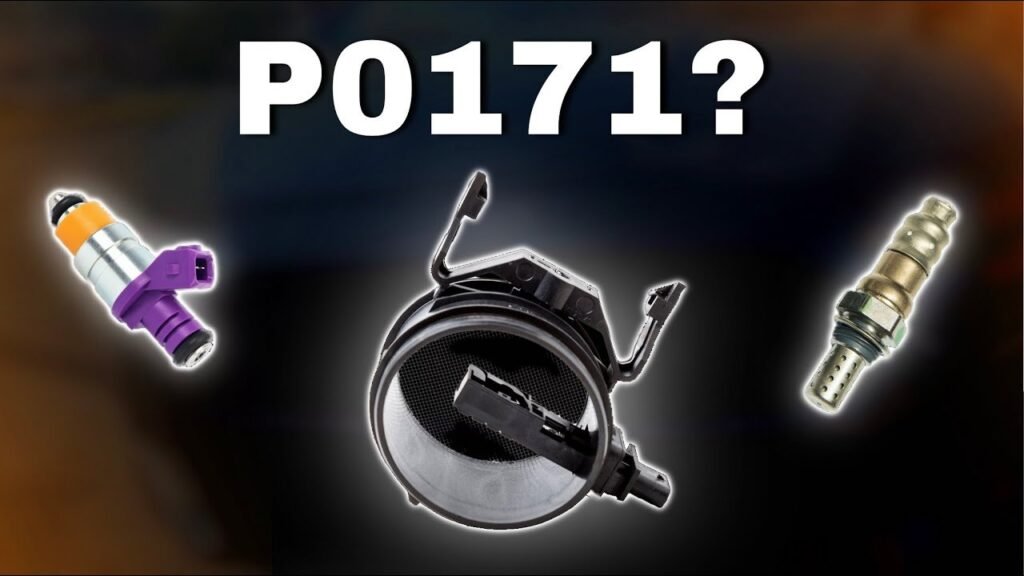
“System Too Lean” is the engine computer’s way of saying one thing, and one thing only: the mixture has too much air and not enough fuel. When you plug in a scanner and see P0171, the ECM (the module that runs your engine) has detected that the balance it relies on has tipped, and it can’t correct it back on its own.
Dhaka makes this a more common problem than most drivers realize. Dusty roads clog things that should be clean. Long stop-and-go idling heats up the engine bay far beyond what’s normal. And fuel that varies from pump to pump puts uneven strain on the delivery system. All three push an engine toward “lean,” so this is a code we see regularly in the workshop.
The core problem, in plain words: your engine doesn’t just guess how much fuel to spray. The MAF (Mass Air Flow) sensor measures the air coming in, and the O2 (oxygen) sensors measure what comes out the exhaust. Together they let the computer fine-tune the mixture hundreds of times a second. When one of those sensors reports wrong data — or unmetered air sneaks in past them — the computer either over- or under-fuels the engine. With P0171, it’s under-fueling, and running lean is quietly dangerous.
Common Symptoms of a P0171 Fault Code
The check-engine light usually shows up first, before the driving problems get bad. But the symptoms below are what tip owners off before a scan.
Check Engine Light
The most obvious sign. With P0171 it often appears early — before the car drives badly — which is actually good news, because catching a lean condition early is cheap to fix.
Engine Hesitation & Stalling
The car jerks or hesitates when you press the accelerator, or stalls completely while idling at a signal. A lean engine simply doesn’t have enough fuel in the mixture to answer the throttle cleanly.
Lack of Power
The car feels sluggish, struggles to overtake, and loses its breath on flyover climbs. It’s running on a weak mixture, and you feel it exactly where you need the power.
Poor Fuel Economy
This one surprises people — “if it’s getting less fuel, why am I using more?” Because the computer detects the lean condition and over-compensates by commanding extra fuel on the other strokes, burning through your tank while trying to protect the engine.
Top Causes Behind Code P0171 in Dhaka
Dirty or Faulty MAF Sensor
This is the most common cause we see, and Dhaka’s dust is the culprit. A clogged air filter or a film of dirt on the MAF sensor makes it misread the incoming air. It thinks less air is coming in than actually is, so it commands less fuel — and the engine runs lean.
Vacuum Leaks
High under-hood temperatures — and Dhaka’s heat makes them worse — cause rubber vacuum hoses and intake manifold gaskets to dry out and crack. When that happens, air enters the engine after the MAF sensor, so the computer never accounts for it. That’s the classic “unmetered air” leak.
Clogged Fuel Filters & Weak Fuel Pumps
A lean code can also come from the fuel side. Inconsistent fuel quality clogs filters and can damage fuel pumps over time. If the pump can’t deliver enough pressure, the engine is starved of fuel no matter what the sensors say.
Faulty Oxygen (O2) Sensors
An aging front O2 sensor that reports incorrect exhaust data will make the computer trim fuel the wrong way. It’s less common than a vacuum leak, but it’s a real cause — and often misdiagnosed by garages that just throw a new O2 sensor at the problem without testing.
Step-by-Step Diagnostic Process at MRB Auto Solution
P0171 has several possible causes, so guessing is how money gets wasted. Here’s how we find the actual one.
Step 1: Advanced Computer Scanning
We don’t just read the code — we watch live data, specifically the Short Term and Long Term Fuel Trims. Those numbers tell us exactly how hard the computer is working to correct the mixture, and whether the problem is happening at idle, under load, or both. That pattern narrows it down massively.
Step 2: Smoke Testing for Vacuum Leaks
For suspected leaks, we pump harmless smoke into the intake and watch where it escapes. A cracked PCV hose, a loose clamp, a dried-out gasket — the smoke finds it in seconds, where guessing could take hours.
Step 3: Fuel Pressure Testing
If the air side checks out, we attach a manual gauge to the fuel rail to confirm the pump is delivering the correct PSI. A weak pump or a clogged filter shows up immediately on the gauge — no ambiguity.
How to Fix and Prevent P0171 Lean Conditions
Targeted Repairs
- MAF sensor cleaning with the proper solvent — never by poking it, which ruins it — restores accurate airflow readings.
- Replacing cracked PCV hoses or intake gaskets seals the leak that was letting in unmetered air.
- A new fuel pump or filter when pressure testing proves the delivery side is weak.
The key is fixing the actual cause, not the first guess. We test first, then replace.
Prevention Tips
- Change the engine air filter regularly — in a city as dusty as Dhaka, more often than the manual suggests is not a bad idea.
- Replace the fuel filter on schedule to protect the pump and injectors from dirty fuel.
- Do a diagnostic health scan once or twice a year; a lean condition caught early is usually a filter or a hose, not an engine rebuild.
Get Expert Diagnostics at MRB Auto Solution
A lean engine runs hot. Drive it too long and you risk overheating, burnt valves, or even melted pistons — damage that turns a few-thousand-taka fix into a full engine job. That’s the real danger of ignoring P0171.
If your car is hesitating, stalling, or showing a check-engine light, don’t guess. We use professional smoke machines, advanced scanners, and genuine replacement parts to find the root cause properly — the first time — and we show you photos and video of exactly what we found before any work is quoted.
Visit MRB Auto Solution on Bashundhara R/A Exit Road, or message us to book a scan.
Written by Rajib Bepari
Founder of MRB Auto Solution, with 3+ years of UAE dealership-level experience on European vehicle systems.
Leave a Reply