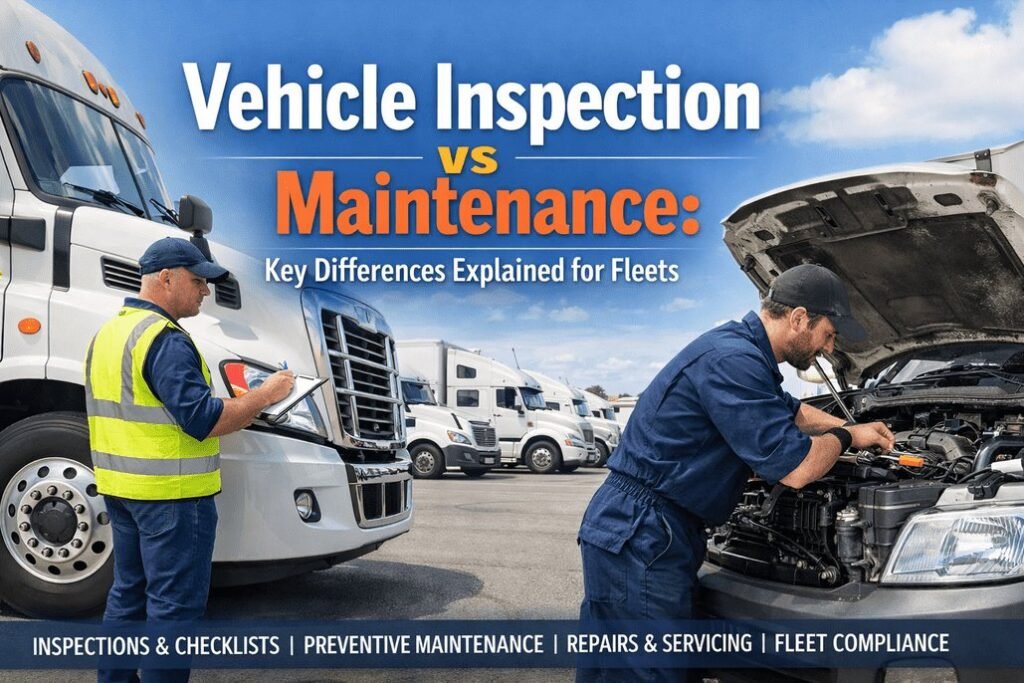
A proper vehicle inspection and repair routine keeps your car safe on Dhaka’s crowded roads, prevents expensive breakdowns, and extends the life of every major part. You’ll need a basic visual check once a month and a full professional scan at least once a year to catch hidden faults before they leave you stranded in traffic.
Vehicle Inspection and Repair Process
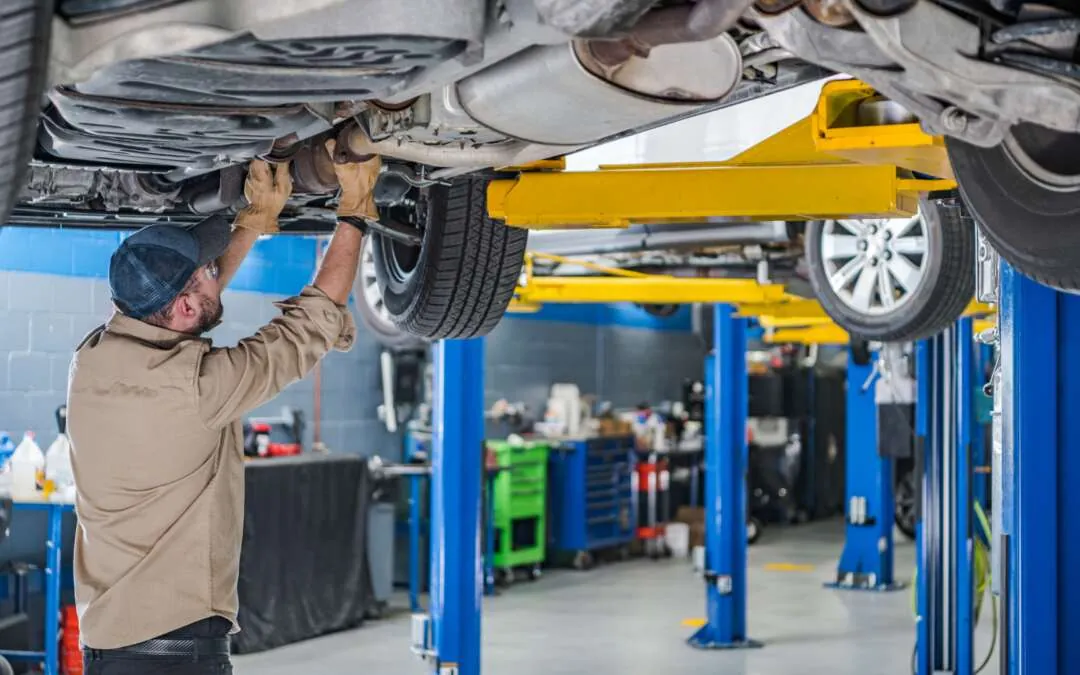
A standard check covers everything from tire pressure to engine sensors, while repairs range from swapping worn brake pads to fixing transmission faults. The exact scope depends on your car’s age, mileage, and the specific warning signs it shows.
A quick visual sweep takes about fifteen minutes at home, but a full diagnostic scan at a workshop usually requires one to three hours depending on what the computer reveals. If your dashboard lights up or the engine sounds rough, that’s when a simple check turns into a targeted fix.
The goal is always the same: find small wear before it becomes a large bill. That means looking at fluids, belts, brakes, and electronics as one connected system rather than separate pieces.
How Often Should You Get Your Car Checked?
You should perform a quick visual walk-around every month and schedule a thorough professional evaluation once a year or every 10,000 kilometers, whichever comes first. Driving conditions matter heavily here. If you spend most of your time in heavy stop-and-go traffic with constant braking and idling, you’ll need more frequent attention than someone who mostly drives on open highways. Heat and dust also force parts to wear out faster.
| Inspection Type | Frequency | What It Covers |
|---|---|---|
| Basic Visual Check | Monthly | Tires, lights, fluid levels under the hood |
| Standard Service | Every 5,000 km | Oil change, filter replacement, brake pad thickness |
| Full Diagnostic Scan | Annually or 10,000 km | Engine codes, transmission health, sensor readings |
| Pre-Trip Evaluation | Before long drives | Cooling system, battery charge, spare tire pressure |
Skipping these intervals doesn’t just risk a breakdown; it often voids manufacturer warranties if you can’t prove regular maintenance happened. Keep every receipt and service record in one folder inside your glovebox so you always have proof when you need it.
Can You Inspect Your Own Car Safely?
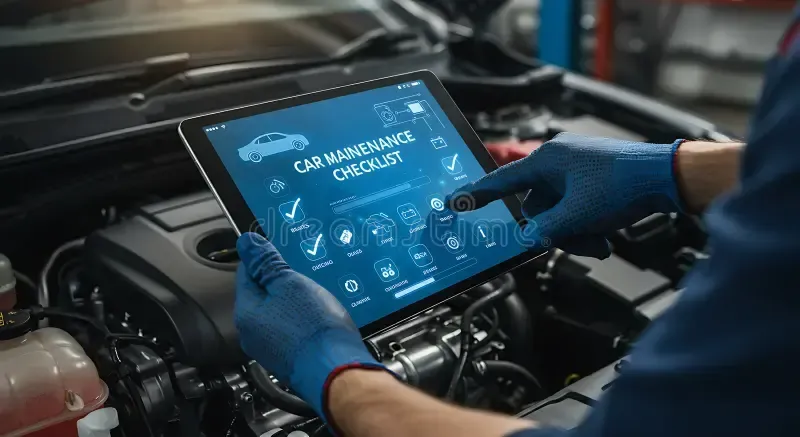
Yes, you can safely handle several basic checks yourself without any special training or tools. Open the hood when the engine is completely cold. Pull the dipstick to see if the oil sits between the two marks.
Look at the coolant reservoir to ensure the liquid reaches the fill line. Walk around the car and press your thumb into each tire to feel for low pressure, then check that all headlights and brake lights turn on when you flip the switches inside.
However, there’s a strict limit to what you should attempt. Never open sealed electrical housings, touch high-voltage hybrid cables, or try to measure current with a meter unless you’re trained for it. Those jobs belong entirely to an expert mechanic working in a controlled environment. If your check reveals a strange smell, a dark puddle under the car, or a dashboard warning light that stays on, stop checking and take the car to a professional.
When your own eyes aren’t enough, a car diagnostic service connects a scanner to your vehicle’s computer to read error codes you can’t see. That’s exactly where MRB Auto Solution helps drivers in Dhaka. They use advanced scanning tools to pinpoint engine and transmission faults accurately instead of guessing which part failed.
Tip: Always check your oil and coolant when the engine is cold. Hot liquids expand and give false readings, and opening a hot radiator cap can cause severe burns instantly.
When Does a Warning Light Need Immediate Repair?
A flashing check-engine light or a red temperature warning means you must pull over safely and shut off the engine right away. A solid yellow light usually allows you to finish your current trip, but you shouldn’t drive the car again until a shop reads the code. Ignoring a flashing light often leads to destroyed catalytic converters or melted internal components, turning a minor sensor replacement into a massive repair bill.
Modern cars store hundreds of specific fault codes. A generic reader from an auto parts store might tell you a cylinder is misfiring, but it won’t tell you if the root cause is a bad spark plug, a failing fuel injector, or a vacuum leak. A proper vehicle repair workshop Dhaka drivers trust will trace the code back to its actual source before replacing anything.
If your automatic transmission shifts roughly or delays when you accelerate, don’t wait for it to fail completely. Transmission problems escalate quickly in heavy traffic because the fluid overheats. Shops that specialize in both engine diagnostics and automatic transmissions can test the fluid pressure and electronic solenoids together, saving you from paying twice for the same underlying issue.
What Mistakes Cost Drivers the Most Money?
Why does my car consume so much fuel after skipping service?
Dirty air filters and old spark plugs force the engine to burn extra fuel just to maintain normal power. Replacing them on schedule costs very little compared to the money wasted at the pump every single week. If your mileage drops suddenly without a change in driving habits, those two items are the first things to check.
Is it safe to clear a warning light myself without fixing the problem?
No, clearing a code only erases the memory; it doesn’t fix the broken sensor or leaking hose that triggered it. The light will return, and in the meantime, the car’s computer loses the data needed to protect the engine from damage. You’re essentially driving blind while the underlying problem gets worse.
Why did my new brake pads start squeaking immediately?
Cheap aftermarket pads often lack the correct shims or friction material for your specific car model, causing noise and poor stopping power. For a heavy SUV used in city traffic, buy genuine or high-quality ceramic pads; for a light commuter car, standard organic pads might work fine. Buying the cheapest option usually means replacing the same part twice within a few months.
This isn’t for people who want to patch a failing car together just long enough to sell it. Proper maintenance protects the driver, the passengers, and everyone else sharing the road. The catch of any advice given here is that your exact repair needs depend on your specific car model and its history, which only a physical scan at a qualified workshop can settle for you.
Contact MRB Auto Solution
Phone: +880 183 48 69607
Email: hello@mrbautosolution.com.bd
Address: Dhalibari, Vatara, Dhaka, Bangladesh
Frequently Asked Questions
How long does a full diagnostic scan take?
A complete scan typically takes between one and three hours. The computer reading itself only requires a few minutes, but interpreting the codes and physically verifying the faulty part takes the rest of the time. Complex transmission or intermittent electrical faults push the process toward the longer end of that range.
Are genuine spare parts really necessary for older cars?
Yes, they remain important even for older vehicles. Genuine parts match the exact dimensions and material strength the manufacturer designed for your car’s systems. Aftermarket alternatives might fit physically, but they often wear out faster or trigger sensor errors because their resistance values differ slightly from the original specifications.
Can I drive with the check engine light on?
You can drive short distances if the light is solid yellow and the car feels normal. However, you shouldn’t ignore it for more than a few days. If the light flashes or turns red, or if you notice shaking, stalling, or strange noises, park the car immediately and arrange for a tow to prevent severe engine damage.
Do electric and hybrid cars need the same inspections?
They require fewer fluid checks since there’s no traditional engine oil, but they still need brake, tire, suspension, and cooling system evaluations. Their high-voltage batteries and complex software demand specialized diagnostic equipment that standard garages don’t carry. Always choose a facility explicitly trained for hybrid or electric platforms.
What should I bring to the workshop?
Bring your car’s registration documents, previous service records, and a clear description of the symptoms you’ve noticed. Mentioning exactly when a noise happens — like during cold starts or while turning left — saves the technician hours of testing.
Is it worth fixing a car that breaks down frequently?
It depends on whether the breakdowns share one root cause or come from unrelated aging systems. If multiple major components fail within a short period, the repair costs often approach the price of a newer, more reliable vehicle. An honest assessment from a trusted mechanic will tell you where that financial line sits.
Conclusion
If your car has been hesitating, making unusual sounds, or showing dashboard warnings you can’t explain, book a diagnostic appointment at MRB Auto Solution. Their technicians will connect your vehicle to professional scanning equipment, identify the exact fault, and provide transparent pricing before starting any work. You can reach their team directly through MRB Auto Solution to schedule your visit today.
Written by Rajib Bepari
Founder of MRB Auto Solution, with 3+ years of UAE dealership-level experience on European vehicle systems.
Leave a Reply